

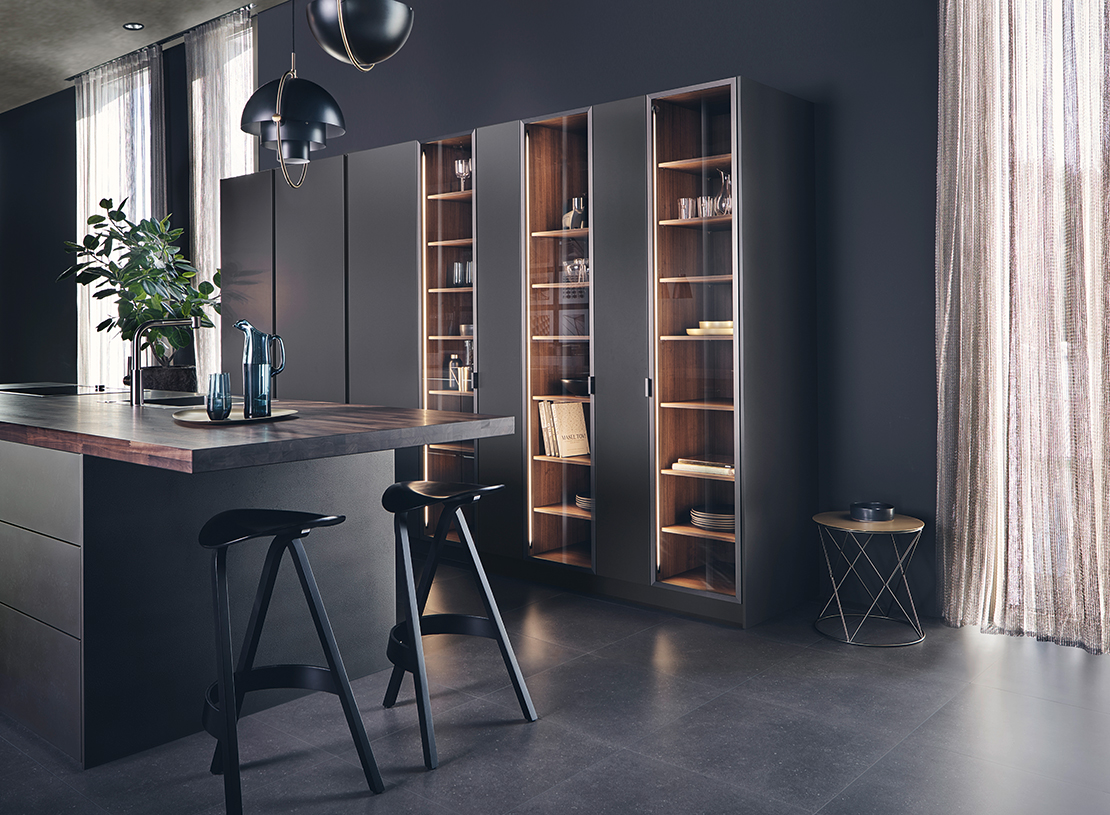
A typical budget kitchen installed in Ireland runs from around €5,000-€10,000, while a true luxury kitchen starts around €40,000 and can exceed €200,000 depending on complexity. If comparing high-end kitchens against a standard fit-out and wondering where the extra cost goes, it comes down to five things: bespoke cabinetry, premium worktops, integrated appliances, expert design time, and skilled installation, not the brand name on the door.
Key Takeaways
- Price gaps between tiers come from cabinetry, worktops, appliances, design time and installation, not branding alone.
- A luxury kitchen often lasts 20-30 years, while budget kitchens often need replacing after 8-12, changing the real cost per year.
- You’re paying for better use of space and fewer hidden costs, not just looks.
- Decide first whether you need budget, mid-range, or luxury based on how long you’ll stay and how much you cook.
The Short Answer
A standard kitchen means flat-pack units and basic laminate. A luxury kitchen means bespoke cabinetry, premium materials and tailored design, closer to high-end kitchens built specifically for the room.
- Budget: roughly €5,000-€10,000 installed.
- Mid-range: roughly €15,000-€35,000.
- Luxury: from around €40,000-€200,000+ depending on size and specification.
Stepping up a tier buys stronger cabinet boxes, real stone rather than laminate, quieter hardware, and coordinated project management. Design complexity, islands, structural changes, is a major hidden driver of cost.
Cabinetry: Stock Boxes vs Bespoke
Cabinetry usually takes 30-50% of total cost, and is the main reason designer kitchens cost more. Standard cabinets use 16-18mm chipboard and foil-wrapped doors, relying on filler panels for odd sizes. Bespoke cabinetry uses moisture-resistant carcasses, solid timber doors, and made-to-measure larders, demanding more workshop time and hand finishing.
The payoff is functional: full-height larders and internal organisation that improves everyday use. Bespoke is worth it in awkward rooms and forever homes; a fitted-plus solution delivers most of the look for less.
Worktops and Surfaces
Worktops are the biggest visual signal of luxury. Standard laminates run €600-€1,500, with visible joints and low heat resistance. Luxury options, quartz, granite, or sintered stones like Dekton, start around €5,000-€7,000, rising sharply with large islands.
Premium surfaces mean easier maintenance and a longer lifespan, reducing the real cost per year versus replacing cheaper tops every 8-10 years. If budget is tight, prioritise worktops and islands for the biggest visible impact.
Appliances and Integrations
Appliances can account for 15-30% of cost. A standard package runs €2,500-€5,000; a luxury specification with brands like Gaggenau or Miele runs €20,000-€45,000+. The extra buys induction hobs with integrated extraction, steam ovens, and boiling-water taps, plus its own installation cost. Prioritise daily-use appliances before luxuries like warming drawers.
Design Time and Project Management
In luxury kitchens you’re paying for expertise as much as products: home consultation, on-site surveying, and 3D CAD models, versus a basic in-store planner. This typically adds thousands but prevents costly mistakes. Project management is baked into many luxury quotes; cheaper suppliers often leave homeowners to coordinate it all, exactly the gap covered in our guide to what to check before you sign a kitchen contract.
Installation Quality and Labour
Installation typically represents 20-40% of a renovation budget, and poor fitting can ruin even the best cabinetry. Standard installation means shorter fitting windows and subcontracted trades. Luxury installation means specialist fitters, precise scribing to uneven walls, and close coordination with other trades. Complex features raise cost and lead times, but professional fitting avoids remedial visits and protects new worktops long-term. Some budget deals exclude removal of old units, so check before comparing quotes.
The Hidden Details You Don’t See
Many price differences are hidden: inside cabinet boxes, behind doors, under worktops. Luxury kitchens use moisture-resistant carcasses and soft-close mechanisms from brands like Blum. Budget internals often mean thinner sides and runners that sag over time. Better hardware means drawers that glide when full, often backed by long warranties. If budget is tight, prioritise invisible quality over decorative extras.
Design Complexity and Layout Changes
Two kitchens with similar cabinets and worktops can differ by tens of thousands simply because one involves structural work: removing walls, moving plumbing, or repositioning cookers. Layout changes are worth it when they dramatically improve flow in homes you’ll keep long-term; otherwise, upgrading materials within the existing layout delivers better value. Factor in a 10-20% contingency for surprises behind older walls.
Numbers like that are exactly what make people hesitate before signing anything. If overspending is what’s holding you back, working with an established name removes most of the guesswork. McNally Living is a Leicht official dealership, meaning transparent specification and proven German engineering from the first conversation, so you know exactly where your budget is going before you commit.
Longevity and Total Cost of Ownership
A budget kitchen might fail within 8-12 years; a well-built luxury kitchen can last 20-30 with minor refreshes. A €15,000 kitchen replaced after ten years costs €1,500 a year; a €30,000 high-end kitchens project lasting 25 years works out at roughly €1,200 a year, with far less disruption, and can also meaningfully lift resale value, alongside sustainability benefits like fewer rip-outs and FSC-certified timber.
How to Decide
Align the investment with your lifestyle and the home’s value, not just what’s affordable. Ask: how often do you cook and entertain? Are you moving within five years or staying long-term? Would buyers locally expect a luxury kitchen? Budget suits rentals and quick flips. Mid-range is the sweet spot for many households: solid fitted units, a quartz worktop on a feature island, one or two luxury appliances. Luxury is justified in long-term family homes and for serious home cooks.
For a wider look at when the investment pays off, see Is a Luxury Kitchen Worth the Investment? What Dublin Homeowners Should Know, and if you’re worried about getting it wrong, our piece on avoiding common renovation regrets is worth reading first.
Frequently Asked Questions
Is a luxury kitchen worth the extra cost if I plan to sell in a few years?
It may not return 100% of its cost within three to five years, but it can speed up a sale and attract higher offers. If moving sooner, a mid-range kitchen with a few luxury touches often serves better.
Can I mix budget and luxury elements in one kitchen?
Yes, and it’s often the smartest approach: standard carcasses with bespoke fronts, a premium worktop on one island, or mid-range cabinets with one standout appliance. Prioritise invisible quality and high-impact areas first.
What are the most common hidden costs in a kitchen renovation?
Electrical upgrades, moving plumbing, levelling floors, repairing plaster, and waste removal. Allow a 10-20% contingency and ask suppliers to spell out exactly what’s included.
How can I tell if a kitchen quote is fair for a luxury kitchen?
Compare like-for-like: carcass thickness, hinge brands, worktop type, and installation scope, not just the headline price. Ask for an itemised quote and inspect samples in person before committing.
Do I really need bespoke cabinetry, or will a fitted kitchen do?
Most rectangular kitchens with straight walls can achieve an almost bespoke look using quality fitted units plus custom panels, at a lower price. Reserve true bespoke cabinetry for unusual spaces or projects where every millimetre matters.