

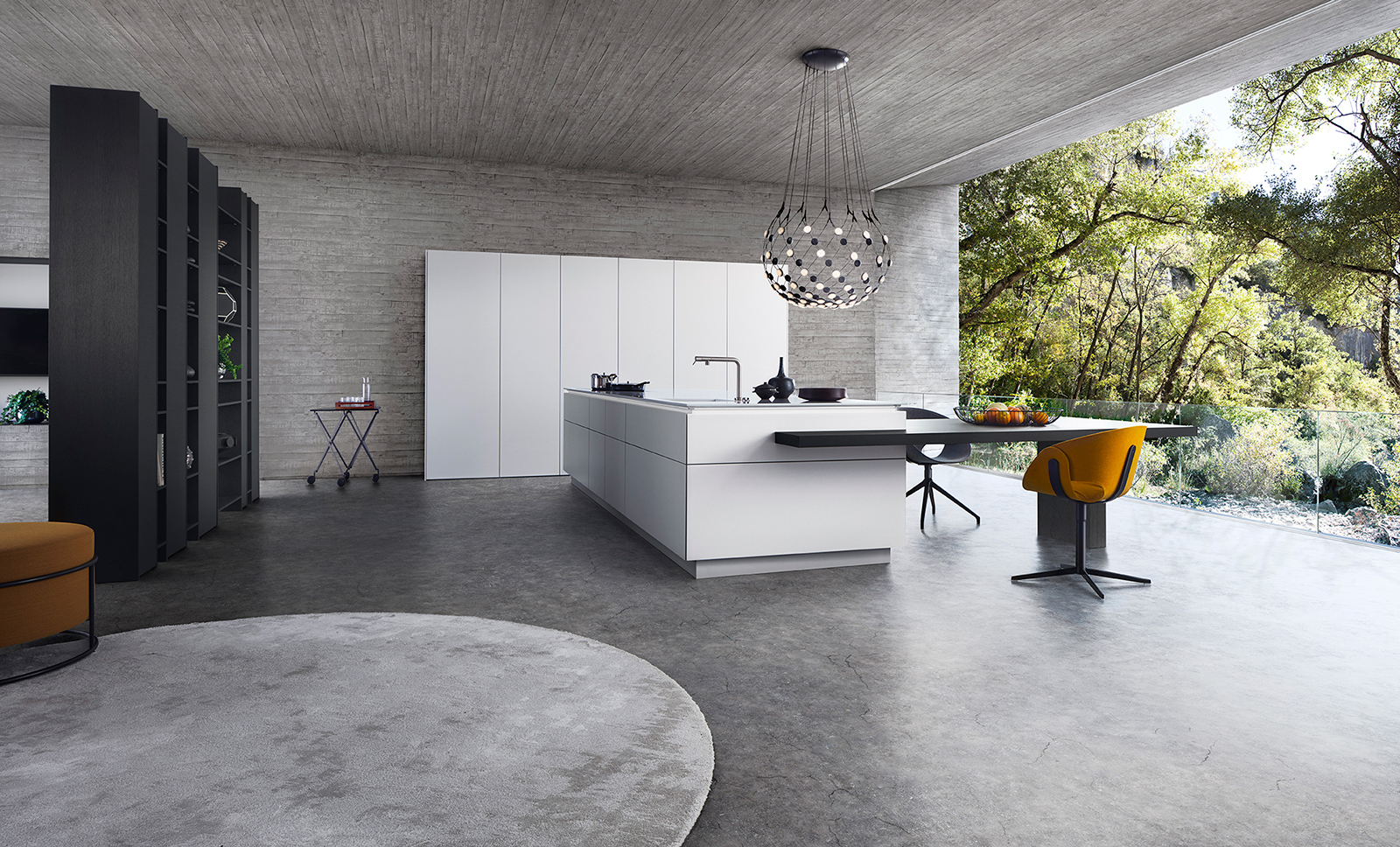
Even six-figure kitchen projects lead to regret, and it’s rarely down to bad taste. Most luxury kitchens that disappoint their owners fall into the same avoidable traps: designing for photographs instead of daily life, underestimating storage, and skipping the planning that catches problems before they’re built in.
Key Takeaways
- The biggest mistakes come from prioritising looks over how the household actually cooks, entertains and lives.
- High-regret choices repeat: oversized islands, all-white finishes that show every mark, open shelving everywhere, fragile marble in hard-working zones.
- Early collaboration with a professional designer and a comprehensive plan is the most reliable way to avoid expensive regrets.
- This guide covers layout, materials, storage, lighting and flexibility so the finished kitchen fits how you live.
Why Luxury Kitchens Still Go Wrong
A luxury kitchen typically means high-end appliances, bespoke cabinetry, premium worktops and multi-use spaces. At this level, decisions about layout and materials are more permanent and far more expensive to undo. The goal isn’t just a beautiful room, it’s one that fits your routines and holds up for years.
Mistake 1: Designing for Trends Instead of Your Lifestyle
Mood boards full of high-gloss colour blocks and extreme veining rarely survive contact with real life. A family who cooks nightly regrets handleless white lacquer that shows every fingerprint; a home cook regrets open shelving that fills with grease within weeks. Write down how you actually use the kitchen for one ordinary week and build your layout around that, keeping only a few easily-changed elements genuinely trend-led.
Mistake 2: Prioritising Appearance Over Function
A kitchen that photographs beautifully can still be frustrating to use. The classic regret is an oversized island leaving under a metre of clearance, creating traffic jams between sink, fridge and hob. Other missteps: wall ovens at an awkward height, fridge doors clashing with cabinetry, dishwashers that can’t open with someone at the sink. Aim for at least 1–1.1m circulation around islands and mock up clearances before approving the plan.
Mistake 3: Underestimating Storage
“Not enough storage” is consistently the top post-remodel regret. Before designing, inventory what you own: pans, small appliances, bulk pantry goods. Common mistakes include stripping out too many upper cabinets for a minimalist look and relying too heavily on open shelving. Prioritise full-height pull-out larders, internal drawers, and a “landing zone” for post and keys so prep surfaces stay clear.
Mistake 4: Choosing Materials Without Considering Maintenance
Beautiful surfaces often turn out impractical. Honed marble etches from lemon juice; high-gloss lacquer shows every scratch; untreated timber cups near a busy sink run. Lower-maintenance alternatives, quality quartz, matt or laminated fronts, water-resistant engineered wood, deliver a similar look with far less daily stress. Discuss real cleaning habits with your designer before finalising worktops, and save delicate materials for islands away from heavy use.
Mistake 5: Getting Lighting and Power Wrong
Poor lighting is hard to fix once cabinetry is installed. A well-designed kitchen layers ambient, task and accent lighting, under-cabinet strips, island lighting, and toe-kick LEDs, not just ceiling spots. Common gaps: pendants that cast shadows, no dimmers, too few sockets on the island or in the pantry. Finalise lighting and power alongside the layout itself, planning for specific habits rather than generic placements.
Mistake 6: Overspending on Gadgets, Underspending on Workhorses
Showrooms are full of tempting extras that inflate a budget without improving daily life: espresso stations that go unused, warming drawers that stay empty, oversized wine fridges for non-collectors. Prioritise the workhorses instead: a reliable hob, oven, quiet dishwasher, and a fridge sized to your shopping habits. If a feature won’t be used weekly, it probably shouldn’t claim budget or space. For a fuller breakdown of where high-end kitchens spend actually delivers value, see what you’re really paying for at each tier.
Mistake 7: Ignoring Future Flexibility
A dream kitchen should work for a decade or more. Common oversights include designing around young children who’ll be teenagers within a few years, or building for large dinner parties when the household mostly cooks for two. Future-proof with mid-height ovens for easier access as people age, wide walkways for prams and mobility aids later, and reinforced walls for grab bars. Leave space and power for future smart appliances.
Mistake 8: Working Without a Comprehensive Plan
Many luxury kitchen mistakes trace back to piecemeal decisions made without an integrated plan: ordering cabinets, appliances and lighting separately leads to mismatched finishes and last-minute changes to plumbing or electrics. A professional designer coordinates everything from the start. Build a clear brief before approaching a designer, and get drawings and samples signed off before demolition begins. If overspending on unexpected extras is your biggest worry, our guide to what to check before you sign a kitchen contract is worth reading alongside this one.
If fear of overspending is what’s making you hesitate, working with an established supplier removes most of that worry. McNally Living is a Leicht official dealership, which means every quote is built on transparent specification and proven German engineering rather than guesswork, so you know exactly where your budget is going before work begins.
Mistake 9: Rushing Decisions and Skipping Real-World Testing
Compressed timelines can pressure homeowners into hasty choices. Sit with your plan for a few days and walk through it mentally: where hot trays land, where kids sit, where guests gather. Tape out island sizes on the floor, mock cabinet depths with boxes, and request real material samples before committing. A luxury kitchens project is easier to get right the first time than to fix afterwards, and a few extra weeks of planning routinely saves months of frustration. For the bigger financial picture on when this level of investment pays off, see Is a Luxury Kitchen Worth the Investment? What Dublin Homeowners Should Know .
FAQ: Avoiding Luxury Kitchen Regret
How do I know if my layout will actually work for my family?
Beyond the classic work triangle, the best test is mapping real routines: who cooks, how groceries enter the house, how many people are usually in the kitchen at once. Draw the plan to scale and review movement paths with a professional designer before final approval.
Where’s the smartest place to save, and where should I spend?
It’s usually safe to save on easily replaceable items, stools, pendants, some hardware. It’s riskier to cut costs on cabinets, worktops in main prep zones, and core appliances, since these are expensive and disruptive to change later. Keep a small contingency, around 10%, to upgrade quality where it matters most.
Can I get a luxury look in a smaller kitchen?
Yes, luxury is less about size and more about thoughtful design, quality finishes, and efficient storage. Focus on streamlined cabinetry and layered lighting rather than squeezing in an oversized island that compromises circulation.
How early should I bring in a kitchen designer?
As soon as floor plans or extension ideas are on the table, ideally before structural work is finalised. Early input allows optimal placement of windows, plumbing and electrics, avoiding far more expensive late changes.
What one action most reduces the chance of regret?
Create a detailed written brief that prioritises lifestyle, storage and function before choosing colours or finishes, then revisit it at every major decision point. When in doubt, choose options that support daily living over purely trend-driven choices.