

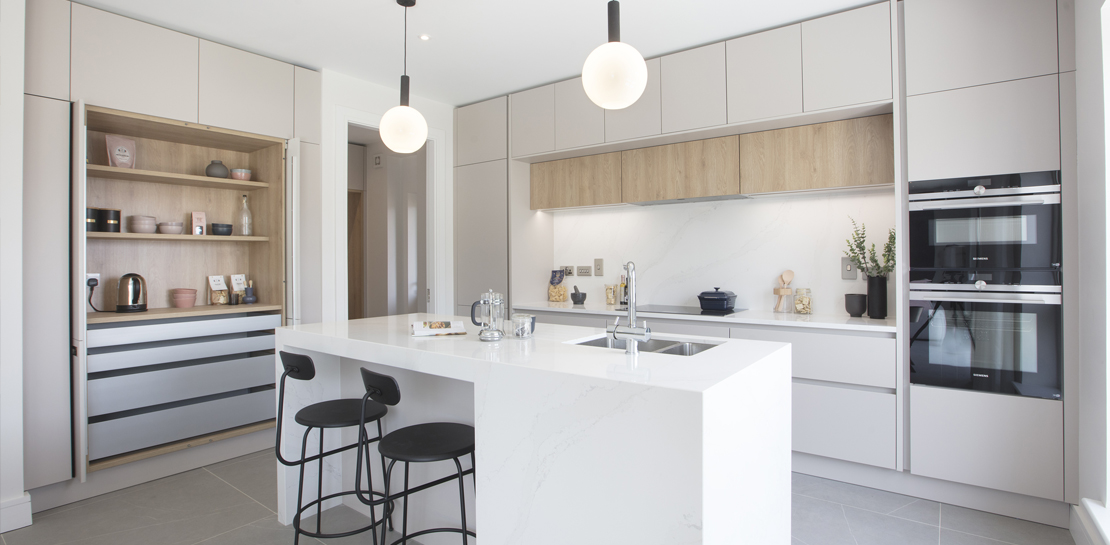
A modest kitchen remodel can run 10–20% over the quoted price once you factor in what a headline figure doesn’t cover, though almost all of it is avoidable. Most overspend on bespoke kitchens comes down to gaps in the contract, not genuine surprises, and those gaps are easy to close before you sign.
Key Takeaways
- Hidden costs usually come from unclear allowances, structural surprises, permits, and changes in scope, not outright overcharging.
- Always request a detailed, line-by-line quotation and exclusions list before paying any deposit or signing.
- First-time buyers and new homeowners are particularly vulnerable, since they often underestimate costs beyond the headline purchase price.
- This guide sets out the questions to ask your contractor to avoid expensive surprises.
Understanding the Real Cost of a Kitchen Remodel
A “from €15,000” brochure price and the final invoice are often very different numbers, especially for luxury kitchens. The quoted price typically covers only visible items, cabinets, worktop, handles, and excludes much of the work needed to finish the room.
- A mid-range kitchen remodel in Ireland typically ranges from €18,000–€45,000 once labour, trades and finishing are counted in.
- Much like buying a home, there are “headline” and “hidden” costs. The goal is to move items from hidden to clearly listed before you sign.
- In practice: a €20,000 quote can become €26,000 once electrics, floor levelling and waste removal are added mid-project, none of it priced upfront. For a fuller breakdown, see what you’re actually paying for when you go luxury.
Questions to Ask About What Is (and Isn’t) Included
Most hidden costs come down to assumptions about what’s included. Ask directly, and get the answer in writing.
Work through cabinets, worktops, appliances, sink and tap, splashback, lighting, flooring and painting, confirming whether supply, installation, or both are included. Watch “allowances,” such as a €3,000 appliance allowance or €40/m² tile allowance, since going above that figure creates an extra cost. Watch too for the assumption trap: items people believe are included but usually aren’t, such as removing the old kitchen, making good walls, moving radiators, or fitting new doors and skirting.
Before signing, ask:
1) Is installation included or priced separately?
2) What does the appliance allowance cover?
3) Who removes the old kitchen?
4) Are walls and flooring made good as standard?
5) Is moving a radiator charged extra?
6) What if my tile or worktop exceeds the allowance?
7) Are delivery and access charges included?
8) What’s excluded entirely?
Structural Surprises and Behind-the-Wall Costs
A remodel often exposes issues nobody could have priced in advance, particularly in homes built before the 1990s: rotten floorboards, outdated aluminium wiring, an undersized consumer unit, or a poorly vented extractor outlet.
Remodelling frequently triggers building-regulation upgrades too, such as RCD protection, extra sockets, or replacing older plumbing pipework, which become extra costs if not priced upfront. The best protection is a pre-works inspection by your contractor, electrician and plumber, plus a 10–15% contingency for surprises uncovered after demolition.
Labour, Trades and “Small” Extras That Add Up
Many contracts downplay labour extras that only surface once the job is underway: plastering after tiles are removed, levelling floors, moving sockets, rerouting plumbing for an island, and carpentry to adjust doors and architraves. Waste removal is another easy omission, skip hire and tipping fees can add several hundred euro alone. Site access matters too: expect extra charges for difficult access, upper-floor apartments, or restricted parking. One typical case saw €1,100 in extra labour appear on the final invoice once walls needed re-plastering, none of which had been flagged at quote stage.
Permits, Compliance, and Insurance Considerations
Like a house purchase, a remodel can involve permits and compliance costs that rarely make the initial quote. Planning permission or building control sign-off may be needed for removing a load-bearing wall, adding an external door, or enlarging a window over the sink. Electrical and gas certification, including SEAI, Safe Electric, or RGII, can carry separate fees too. Notify your home insurance provider before major work begins, as some policies require extra conditions or temporary cover extensions. Skipping compliance creates its own hidden cost: undocumented alterations are exactly what a buyer’s solicitor flags at sale.
Payment Terms, Deposits, and Protection of Your Money
How and when you pay matters almost as much as how much, particularly for first-time buyers managing mortgage funds carefully. A reasonable schedule looks like a 5–10% booking deposit, followed by payments at design sign-off, delivery, and completion. Be cautious of any contractor asking for a large payment upfront.
Confirm whether card fees, bank transfer, or currency exchange costs apply, particularly for imported appliances or stone worktops. Think of your contract as your protection policy, and get any variations agreed in writing via change orders before work continues.
If fear of overspending is what’s holding you back from signing, working with an established supplier is the most reliable fix. McNally Living is a Leicht official dealership, meaning transparent specification and proven German engineering from the first quote. You’ll know exactly where your budget is going before you sign, no hidden mark-ups, no unwelcome surprises.
How to Build a Realistic Kitchen Budget (and Contingency)
A realistic budget goes beyond the headline figure: core contract price, plus estimated extras for electrics, plumbing, flooring and painting, plus a 10–15% contingency.
For a typical €30,000 bespoke kitchens remodel: roughly €18,000 for cabinetry and worktops, €4,500 for appliances, €3,500 for trades, €500 for waste removal, and €3,500 held as contingency. First-time buyers juggling mortgage drawdown often underestimate how much cash they need for this stage.
Plan for total cost of ownership, not day-one price, factoring in future maintenance such as replacing appliances. For a wider look at how to weigh up spend against value, see Is a Luxury Kitchen Worth the Investment? What Dublin Homeowners Should Know , and for the specification choices most often built into a bespoke kitchens contract from the outset, see common mistakes to avoid before you commit.
Frequently Asked Questions
How much contingency should I allow for hidden costs in a kitchen remodel?
At least 10% of the agreed contract price for straightforward projects, rising to 15–20% for older homes or layouts involving wall removals, islands, or major plumbing moves.
Can I add the cost of a new kitchen onto my mortgage?
Some lenders allow extra borrowing for home improvements as part of a mortgage or top-up loan, but approval depends on affordability checks and bank policy, so confirm with your lender.
Are appliances usually included in a kitchen contract?
Some contracts include appliances with a set allowance; others price them separately. Confirm the brand, model, and whether delivery, installation and removal of old appliances are covered.
Is it cheaper to keep my existing layout?
Retaining your layout typically reduces costs for plumbing and electrics, though modest changes, such as widening a doorway, can still be worth it long-term.
What should I do if my contractor asks for more money mid-project?
Request a written variation with a clear description, price and reason, genuine surprise versus design upgrade, and pause non-urgent changes until both sides agree the total.