

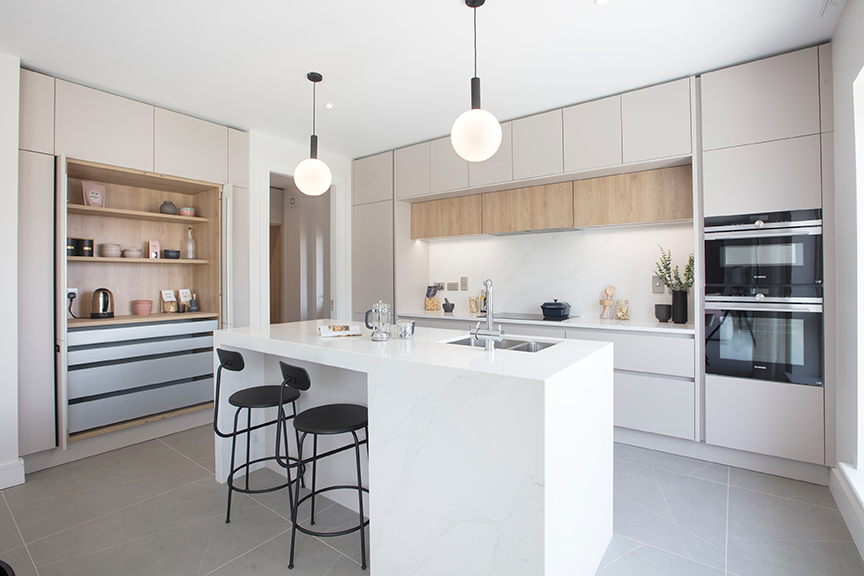
Deciding between renovating and moving is rarely simple, especially once a property has become part of daily life. For many homeowners, the answer lies in one transformative space: the kitchen. Investing in luxury kitchens can shift a home from merely adequate to genuinely exceptional, often making renovation the smarter choice overall.
Key Takeaways
- You love where you live, but your current layout no longer supports your day-to-day life.
- The property has good bones, a sound structure and location, even if the finishes feel tired.
- With borrowing costs and asking prices where they are, improving your existing home is often more cost-effective than buying elsewhere.
- Focused projects, such as a kitchen remodel, bathroom upgrade or energy efficiency improvements, can lift both comfort and long-term value.
- Most frustrations with a home come down to function, not location, and function can usually be fixed.
Use this checklist to work through whether renovating, rather than relocating, is genuinely right for you.
When Your Home Feels Close to “Right” but No Longer Meets Your Needs
One of the clearest signs it’s time to renovate is when a home feels almost perfect – the right street, schools and community – but the layout or size has quietly stopped working. A growing family may need an extra bedroom soon; remote-working parents may need a home office; ageing relatives moving in may need a self-contained, ground-floor space.
When frustration centres on function rather than location – limited storage, closed-off rooms, no flow between kitchen and living space – renovation is usually the stronger option. Knocking through a wall, finishing a basement, or converting an attic can deliver extra space for a fraction of the cost of moving.
Ask yourself: if you could add one or two rooms, or change one or two walls, would this home comfortably serve you for the next five to ten years? If yes, that’s a strong sign it’s time to renovate.
When the Housing Market Makes Staying Put the Better Choice
Current market conditions add weight to the case for staying and improving. In many areas, property prices have climbed faster than incomes, so a larger home can mean a significantly higher monthly repayment, especially with today’s interest rates. Households on a low fixed rate often face a steep increase if they remortgage to move, whereas financing a renovation through savings or equity keeps that rate intact.
Weigh the full cost of moving – agent fees, transfer taxes, legal costs, removals and surveys – against a realistic renovation budget. Where suitable homes rarely come to market, particularly within sought-after school catchments, upgrading your current property is often more practical than waiting for the perfect listing.
When Your Home Has Good Bones but Feels Tired or Outdated
Good bones means a sound structure, no major foundation concerns, a solid roof, and a location that still suits your life – strong indicators that renovation is the right route. If your complaints are really about how the home feels – dated finishes, dark rooms, worn flooring, tired bathrooms – these are cosmetic and layout issues that respond well to focused improvements.
Replacing outdated cabinetry with modern joinery, swapping laminate worktops for quartz, adding proper lighting and re-tiling a bathroom can transform a property without the disruption of a move. A well-executed kitchen remodel can turn a tired space into one of the luxury kitchens found in the area’s best-updated homes, lifting daily enjoyment and resale appeal together.
When You Can Improve Energy Efficiency and Cut Running Costs
High utility bills, draughty rooms and an overworked boiler are strong signs it’s time to renovate, particularly in older properties. Common upgrades include cavity wall and loft insulation, replacing single-glazed windows with double or triple glazing, moving to a modern condensing boiler or heat pump, and installing smart thermostats.
Pairing aesthetic work with efficiency improvements – new siding alongside insulation, or a kitchen remodel alongside A-rated appliances – improves comfort while cutting costs. Many regions currently offer incentives that help offset insulation, heat pumps and solar panels. If you plan to stay for five to ten years, ongoing savings plus a stronger resale price later usually outweigh the upfront investment.
When Targeted Renovations Can Unlock Significant Value
One of the strongest signs it’s time to renovate is when specific projects are likely to boost your home’s value by more than the cost of moving. Kitchen remodels, bathroom renovations, an additional bedroom, or a modest extension all have a strong track record of adding value. A new or expanded kitchen can improve perceived value by roughly five to ten per cent, while an additional bedroom or extension can add a further eight to twelve per cent in many markets – figures that are illustrative rather than guaranteed.
As an official Leicht dealership, McNally Living works with homeowners to design luxury kitchens and high-end kitchens suited to the property and local market, helping avoid over-improving beyond the neighbourhood ceiling. For more, see why a bespoke kitchen is often the smarter investment and how a high-end kitchen can redefine your living space.
Questions to Ask Yourself Before You Decide It’s Time to Renovate
Before committing, sit with a few honest questions. Will this home still suit your needs in five to ten years if you renovate now? Do you love the area, commute, schools and community enough to stay long term? Can your plot realistically accommodate the changes you want? What is your realistic budget, including a ten to twenty per cent contingency? Are you genuinely prepared for the disruption of building work?
If most answers point towards staying – because you’re attached to the area, the plot has room to grow, and your finances support it – that’s a clear sign it’s time to renovate. For a fuller comparison, read our complete guide, Renovate or Relocate? Why a Luxury Kitchen Can Transform Your Home . Before finalising, get at least two independent quotes and appropriate structural advice.
FAQ
How do I know if my renovation idea is financially smarter than moving?
Total the full cost of moving – fees, taxes, removals and surveys – and compare it with a detailed renovation quote plus contingency. Ask a local agent what your home might be worth after the work, then compare that equity position with buying at today’s rates.
What are signs my house is not a good candidate for renovation?
Serious structural issues – foundation movement, recurring subsidence, widespread damp, or wiring and plumbing needing full replacement – can turn a project into a money pit. Very restrictive planning rules or a plot too small to extend can also limit what’s possible.
Is a kitchen remodel always the best first renovation project?
Kitchens deliver strong returns but are disruptive and comparatively costly. Address pressing structural or safety issues first, then decide which room will most improve daily life – often the kitchen, bathroom or main living space.
How can I make sure my renovation improves energy efficiency?
Start with an energy survey to identify where heat is lost. Bundling insulation, air sealing, new windows and modern heating into a larger project tends to be more cost-effective than retrofitting later.
How long should I plan to live in my home after renovating?
Most experts suggest staying at least five to seven years after major renovations to comfortably recoup the investment. If you expect to move within two to three years, focus on lighter, broadly appealing updates instead.