

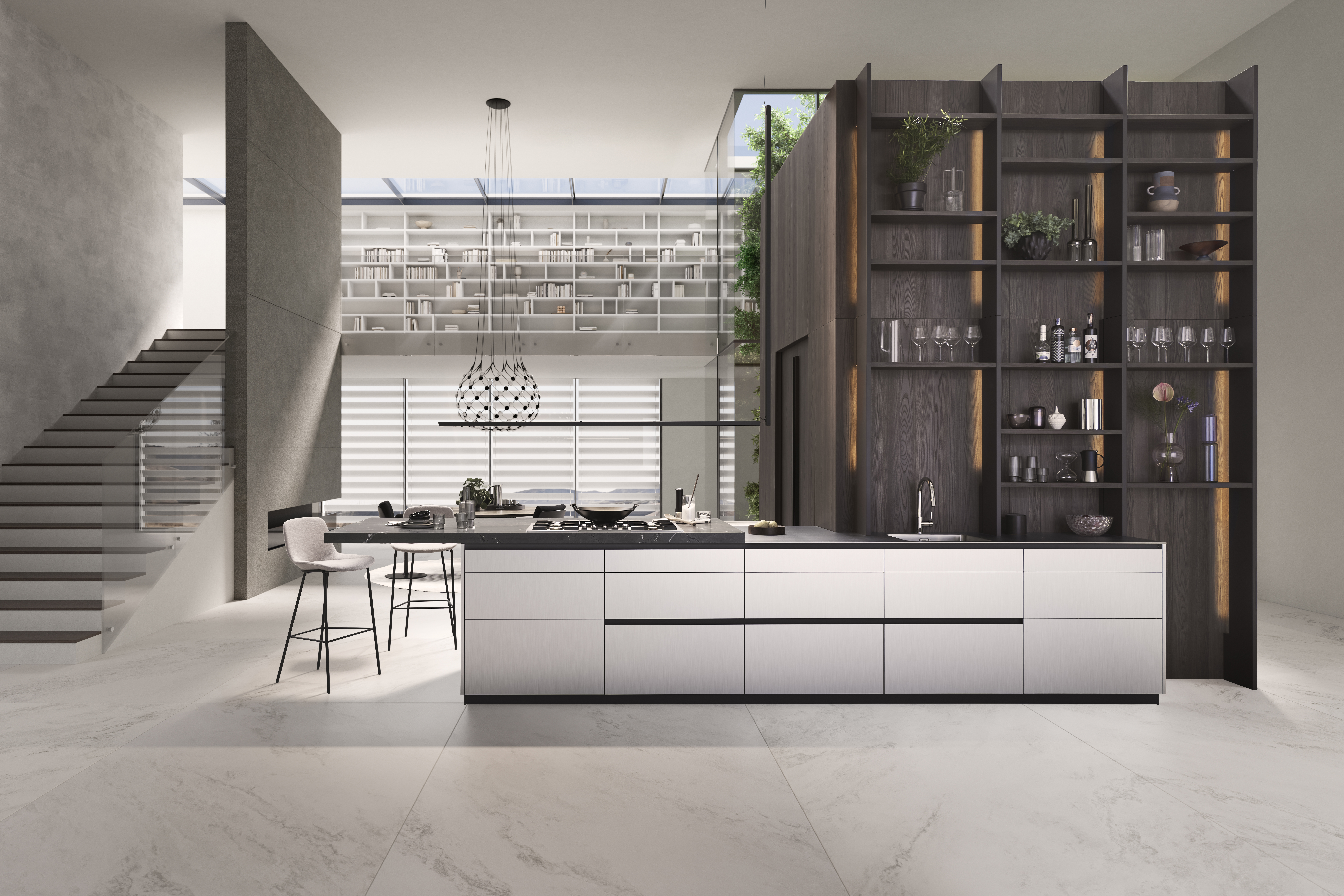
Key Takeaways
- A truly timeless kitchen design prioritises a functional layout, classic cabinet styles, and durable natural materials that won’t go out of style in five to ten years.
- Neutral paint colours, quality hardware, and simple backsplashes are the fastest way to make a kitchen feel classic without looking boring.
- A well-planned kitchen island, good lighting, and smart storage can be updated with smaller decor changes instead of full renovations.
- Resisting short-lived design trends protects the significant investment of a kitchen renovation and supports resale value.
- This guide covers concrete, evergreen design choices – from flooring to faucets – that keep a kitchen timeless well into the 2030s and beyond.
What Makes a Kitchen Truly Timeless?
Timeless kitchen design is the art of balancing classic aesthetics with everyday practicality – choosing a layout, cabinetry, and materials that will look as considered in fifteen years as they do on the day the cabinets go in. At McNally Living, our approach to luxury kitchens is built on this principle: every kitchen we design should earn its place in a home for decades, not just for the length of a current design trend.
A truly timeless kitchen feels entirely at home in 2026, yet it wouldn’t have looked out of place in a well-designed kitchen from 2010, and it won’t feel dated in 2035 either. That consistency isn’t an accident. It comes from prioritising restraint over statement-making, and quality over novelty, at every stage of the design process.
Timelessness isn’t about recreating one specific era – a 1950s diner kitchen or a stark 1990s minimalist scheme. It’s about leaning on design choices that have proven their staying power again and again: simple cabinet profiles, neutral palettes, and natural materials that age with grace rather than going out of fashion overnight. The trick is knowing which elements of a kitchen are permanent – layout, cabinetry, flooring, worktops – and which are easy to change later, such as bar stools, window treatments, and small decor pieces. Get the permanent choices right, and the changeable ones can follow whatever trend catches your eye without ever threatening the bones of the design. In the sections that follow, we’ll work through functional layouts, colour schemes, natural materials, classic fixtures, kitchen islands, and the most common mistakes that age a kitchen well before its time.
Start With a Functional Layout That Lasts
Layout is the backbone of any timeless kitchen design. It determines how the room feels to cook in, host in, and live in every single day – and it’s also the single hardest and most expensive element to change once a renovation is complete. Get the layout right from the outset, and everything else in the kitchen has a sound foundation to build on.
The Work Triangle vs. Kitchen Zones
The classic “work triangle” – connecting the sink, hob, and refrigerator – has guided efficient kitchen design for decades, and it remains just as relevant in modern kitchens as it was when first conceived. By minimising the distance between these three points, the triangle keeps the most frequent movements in the kitchen short and natural, reducing fatigue and wasted steps during cooking.
In larger, open-plan homes, however, a single triangle often isn’t enough. Modern kitchens increasingly divide into dedicated work zones – a prep zone, a cooking zone, a clean-up zone, and frequently a coffee or breakfast zone – that can sit within or alongside the traditional triangle. This zone-based approach keeps the kitchen functional even as more people use the space at once.
As a general guide, a classic triangle layout tends to suit smaller kitchens best, while zone-based planning comes into its own in family kitchens or spaces designed for entertaining. Either way, an enduring layout should be flexible enough to accommodate different life stages – a young family today, teenagers in ten years, an empty nest after that, and eventually, a future buyer’s needs at resale.
Whichever approach you choose, leave generous clearances and walkways throughout – aisles of at least 1,000–1,200mm are a sensible minimum – to keep general traffic out of the main prep area, and always plan landing space beside major appliances such as the oven, fridge, and dishwasher for safety and convenience.
Planning a Kitchen Island or Peninsula
The kitchen island has become a contemporary staple, but it only earns its place in a timeless kitchen design when it’s sized and positioned correctly. A well-planned island needs a minimum of around 1,000mm of clearance on all working sides, so it never crowds the surrounding cabinetry or disrupts the work triangle.
A timeless island earns its keep in multiple ways: as an additional prep surface, an informal dining spot, a homework station for the kids, a serving area when entertaining, and valuable extra storage. In more compact kitchens, a peninsula – or even a smaller, freestanding butcher-block table – can deliver many of the same benefits without demanding the same floor space.
Keep the island’s form simple – rectangular, with straight edges – and let the materials and lighting above it provide the character. Sculptural or heavily shaped islands tend to read as “of the moment” and date noticeably faster than a clean, classic rectangle.
Choose a Classic Colour Scheme That Won’t Date
Paint colours and finishes create the visual foundation of any classic kitchen design. Timeless colour schemes lean on whites, creams, soft greys, and gentle earth tones – a calm, adaptable backdrop that’s easy to live with for ten to fifteen years, and that can be refreshed with decor rather than a full remodel when you fancy a change. Choosing well also means considering your home’s age and architecture, so the kitchen feels cohesive with the rest of the house rather than dropped in from somewhere else. If you’re drawn to stronger colour, save it for the elements that are simplest to swap later – bar stools, textiles, and artwork – rather than cabinetry or splashbacks.
White and Neutral Kitchen Palettes
White and off-white kitchens have remained popular for the better part of a century, and it’s easy to see why: they rarely, if ever, go out of style. The key to avoiding a flat or clinical look is layering your neutrals – white cabinets, a warm grey island, beige or greige walls – rather than relying on a single shade throughout. Undertones matter more than most people expect; warm whites pair naturally with warm flooring and worktops, while cool whites need cool-toned materials around them. Pairing light cabinetry with a slightly deeper floor or worktop helps ground the whole scheme and keeps it feeling intentional rather than sterile.
Soft Greys, Greige, and Earth Tones
Soft greys, greige, and muted earth tones – think stone, sand, and mushroom – create a relaxed, timeless atmosphere that bridges both warm and cool materials. That versatility makes these shades especially good at unifying a kitchen that mixes wood, stone, and metal finishes. A popular and durable approach is to use the deeper earth tone on lower cabinets or the island, while keeping upper cabinets lighter to preserve an airy, open feel. Whatever shade you’re considering, sample it at different times of day before committing – a colour that looks calm and sophisticated under daylight can feel drab and flat under evening lighting, or vice versa.
Black, White, and High-Contrast Details
Classic black-and-white combinations can read as both traditional and contemporary, depending entirely on the hardware and lighting you pair them with. Black works best in measured doses – window frames, hardware, or a single feature cabinet – adding structure to the room without overwhelming it. Classic patterns such as checkerboard floors or a simple border tile can work beautifully, but only where they suit the home’s existing architecture. The one thing to avoid is an overly busy, multi-colour scheme: these tend to date the fastest of all, fighting against the very idea of a timeless kitchen design.
Lean on Natural Materials and Surfaces
Wood, stone, and natural-look finishes age gracefully in a way synthetic, highly processed materials rarely do, which is precisely why they rarely feel tied to a single decade. Investing in quality worktops, flooring, and cabinetry made from natural materials pays off in both durability and long-term appeal, and it’s the same standard you’ll find running through our range of premium kitchens. Even engineered alternatives, such as a well-chosen quartz or porcelain tile, can look just as timeless when they subtly mimic natural textures. Think of natural materials as the long-term wardrobe of your kitchen: the foundation that should comfortably outlast several rounds of paint colour changes.
Stone Countertops and Classic Worktops
Marble, granite, quartzite, and quartz surfaces that quietly reference natural stone remain the gold standard for timeless worktops. The characteristics that age well are soft veining, restrained movement, and honed or matte finishes rather than super high-gloss surfaces that can look distinctly “of their decade” within a few years. Staining, etching, and sealing are practical realities of natural stone, but a little patina on a well-chosen worktop tends to read as character rather than flaw. Bold, heavily patterned worktops, by contrast, are often strongly associated with a specific design period – worth avoiding if a kitchen timeless design is the goal.
Warm Wood in Floors and Cabinetry
Hardwood or genuinely high-quality wood-look flooring brings warmth and timeless character underfoot in a way few other materials can match. Classic, mid-tone woods – natural oak, walnut, or a gentle medium stain – tend to outlast ultra-grey or strongly red and orange finishes, which can date quickly once a particular trend moves on. The same logic applies to cabinetry: real wood or high-quality veneers, especially on islands or lower units, lend a kitchen genuine warmth and depth. Importantly, wood can always be refinished or repainted down the line, extending the life of a kitchen design without the expense of replacing everything.
Subway Tiles and Simple Backsplashes
Subway, or metro, tiles have an enduring appeal that traces back to early twentieth-century design, and they remain just as popular today. Classic dimensions – typically 3×6 inch tiles laid in a simple brick pattern, finished with an understated grout colour – deliver a backsplash that will never look out of place. A slab splashback in the same material as the countertop offers a streamlined, equally enduring alternative for those who prefer fewer visual breaks. Whichever route you choose, it’s worth being cautious with highly intricate patterns, bold motifs, or fashion-led colours across a large backsplash area if long-term timelessness matters to you.
Cabinet Styles and Hardware That Never Go Out of Style
Cabinet fronts and hardware occupy a huge proportion of a kitchen’s visual space, which is exactly why restrained designs tend to stay relevant the longest. Simple, well-proportioned doors, classic profiles, and quality hinges and drawer runners form the core of any genuinely classic kitchen design. The good news is that hardware and tapware are far easier to swap out than cabinetry, making them an ideal place to refresh a kitchen’s style without committing to a full renovation. As with colour, door style should respect the architecture of the home – more traditional detailing for a period property, cleaner lines for a modern build. This is the area where working with an experienced design team pays dividends, and it’s exactly the standard our luxury kitchens are built to meet. As Ireland’s official Leicht dealership, McNally Living designs and installs kitchens on a door and hardware system engineered to look considered for decades, not just for a single design cycle.
Shaker and Other Classic Door Profiles
The Shaker door – a flat centre panel framed by a simple border – has remained relevant for centuries, and for good reason: its proportions are inherently balanced and adaptable to almost any interior style. Narrower rails and stiles tend to feel slightly more contemporary, while wider frames lean more traditional, giving plenty of room to tailor the look without abandoning the underlying classic shape. Other genuinely timeless options include plain inset doors or a simple bead detail; what they share is restraint, avoiding the heavily carved or ornate detailing that anchors a kitchen firmly to one era. For the same reason, it’s worth thinking twice about highly sculpted or fully handleless fronts if you want a kitchen that won’t feel dated within a few short years.
Quality Hardware and Timeless Finishes
Cabinet handles, knobs, and pulls are small, but their impact on a kitchen’s overall character is disproportionately large. Classic finishes – brushed nickel, polished nickel, chrome, antique brass, and aged bronze – have proven their staying power across decades of kitchen design. Simple forms hold up best over time too: bar pulls, classic knobs, and cup pulls all age more gracefully than heavily decorative shapes. Mixing two metal finishes – brass hardware alongside stainless appliances, for instance – can still look entirely timeless, provided it’s done with restraint rather than as a deliberate styling statement.
Sinks, Faucets, and Everyday Fixtures
For sinks, undermount stainless steel, a simple ceramic apron-front farmhouse style, or a single-bowl composite all hold up well against changing trends. Faucets with gentle curves or a straightforward bridge design tend to age far better than anything overtly geometric or sculptural. Choosing fixtures from reputable brands with replaceable cartridges and solid warranties supports both longevity and peace of mind. And if your taste does shift down the line, swapping a faucet or tap set is one of the simplest, lowest-cost ways to refresh a kitchen’s style without touching anything else.
Lighting, Storage, and the Details That Add Longevity
Cabinets and worktops set the stage, but lighting and storage are what determine whether a kitchen is genuinely pleasant to use, day after day. The best timeless kitchens rely on good task lighting, layered ambient light, and concealed storage that keeps surfaces clear and calm. Crucially, these are also the elements that can be adapted over time – new pendants, better organisers – while the core design of the kitchen stays completely intact.
Layered, Classic Kitchen Lighting
A well-lit kitchen works across three layers: ambient light from the ceiling, task lighting under cabinets and over the island, and accent lighting inside glass cabinets or from wall lights. Simple, well-proportioned pendants over the island should complement the room rather than dominate it, and warm white light – rather than a harsh, clinical blue – does far more to create a genuinely inviting, timeless atmosphere. Overly quirky or sculptural light fittings are best avoided for the same reason as sculptural islands: they’re a style statement of their moment, and one of the easiest, most affordable upgrades available is simply swapping a shade or pendant later on.
Smart, Hidden Storage Solutions
Clutter is the enemy of a timeless kitchen, and smart storage is what keeps worktops calm and visually quiet. Deep drawers for pots, pull-out bins for rubbish and recycling, dedicated baking sheet dividers, and integrated spice or pantry pull-outs all do the unglamorous work of keeping a kitchen tidy without any visual compromise. A dedicated spot for everyday appliances – an appliance garage or a built-in coffee nook for the kettle, toaster, and coffee maker – keeps countertops clear without sacrificing convenience. Best of all, internal organisers can be upgraded at any point without ever touching the kitchen’s external, classic look.
Appliances: Classic Choices and Integration
Panel-ready or built-in appliances deliver a cohesive, uncluttered kitchen design that ages well precisely because it never competes for visual attention. Stainless steel remains a genuinely timeless choice, particularly with clean lines and minimal branding on display. Grouping tall appliances together – the fridge, a tall pantry unit, ovens – creates a calm, architectural look rather than a scattering of individual statement pieces. When it comes to choosing appliances themselves, prioritising reliability, serviceability, and energy efficiency will serve a kitchen far better over time than chasing a statement colour that may feel dated within a few short years.
Timeless Kitchen Mistakes to Avoid
Avoiding a handful of common pitfalls can dramatically extend the life of a kitchen design. The errors below are the ones most likely to leave a kitchen looking dated within just a few years – and they’re almost entirely avoidable with a little restraint at the planning stage. Before getting drawn into trends online, it’s worth drawing up a simple checklist of non-negotiables: a functional layout, a neutral base, and natural materials.
Overcommitting to Short-Lived Trends
Matching big-ticket items – cabinets, worktops, floor tiles – too closely to a current design fad is one of the most common sources of early renovation regret. High-gloss coloured cabinets and heavily patterned cement-look tiles used across an entire kitchen are two examples that dated quickly over the last decade alone. The safer approach is to keep trend-led choices confined to easily swapped elements: bar stools, artwork, small light fixtures, and accessories. A useful test before committing to anything bigger is to ask whether the choice would still feel right if design trends swung in the opposite direction. For a deeper look at which current trends are genuinely worth the investment and which ones to sidestep, see our guide on Luxury Kitchen Trends Worth Investing In.
Too Many Competing Materials and Colors
Mixing too many cabinet colours, worktop patterns, and metal finishes creates visual noise rather than a kitchen timeless in style. A more considered approach limits the palette to one main cabinet colour, one supporting colour or wood tone, one or two metals, and a single backsplash material. It also helps to choose either the worktop or the backsplash as the visual “star” of the room and keep the other deliberately quiet. Cohesive design simply feels calmer and more classic, while constant contrast tends to feel restless – and date noticeably faster as a result.
Ignoring the Architecture and the Rest of the Home
A genuinely timeless kitchen respects the bones of the house it sits in – ceiling height, window style, period details, and the rooms that adjoin it. An ultra-industrial finish in a soft Victorian terrace, or ornate, heavily detailed cabinetry in a very minimal new build, are both classic examples of a mismatch that never quite settles. Echoing existing details – trim profiles, door styles, flooring tones – helps a new kitchen feel integrated into the home rather than dropped in from somewhere else entirely. A useful exercise is simply walking through the rest of the house and noting the shapes and materials that recur; they’re often the best guide to a cohesive, genuinely classic kitchen design. For more on building a kitchen that holds up over the long term, our companion guide on How to Future-Proof Your Kitchen Design covers this in further depth, and you can browse examples of this approach across our own luxury kitchens portfolio.
FAQs About Timeless Kitchen Design
How long should a timeless kitchen design realistically last before it feels dated?
A well-executed timeless kitchen should feel current for at least ten to fifteen years, and often considerably longer with small periodic updates such as a new paint colour or refreshed lighting. Functional layouts and natural materials, in particular, can easily outlast one or two full cosmetic refresh cycles. Rather than planning a major remodel, it’s usually more efficient – and far less disruptive – to refresh smaller elements like stools, textiles, or handles whenever the space starts to feel like it needs a lift.
Can a colorful kitchen still be timeless, or does it have to be neutral?
Colour absolutely can be timeless, provided it’s used thoughtfully and in harmony with the home’s existing architecture. If you’re drawn to colour, it’s worth keeping the permanent elements – cabinets, tiles, worktops – in softer, more muted hues such as sage green or deep navy, rather than anything brighter or more saturated. Testing a strong colour on a small area first, and genuinely imagining living with it year-round, is the best safeguard before committing to it across an entire kitchen.
Is an all-white kitchen still a good idea in 2026?
Yes – an all-white kitchen can absolutely still be timeless, though it benefits from added warmth through wood, natural materials, and layered lighting. Off-white or creamy tones tend to work better than a stark, brilliant white, which can read as clinical rather than classic. Introducing texture through stone, timber, or textiles is usually all it takes to make an all-white scheme feel inviting rather than flat.
How can I make an existing dated kitchen feel more timeless without a full renovation?
Start with paint: a neutral or soft, classic colour on cabinets and walls does more than almost anything else to unify a dated kitchen. From there, replacing hardware, tapware, and possibly the backsplash with simple, classic options – subway tile paired with brushed nickel or brass handles, for example – makes a noticeable difference for relatively modest cost. Decluttering, updating lighting, and adding a simple freestanding island or butcher’s block can also move a kitchen meaningfully closer to a classic, timeless look without a full renovation.
Are open shelves timeless, or will they go out of style soon?
A modest amount of open shelving can feel genuinely timeless, particularly in natural wood or a simple painted finish. The safest approach is limiting open shelves to one or two short runs, reserved for everyday items rather than purely decorative clutter. Fully open upper storage across an entire wall, by contrast, is far more trend-driven, and tends to feel dated sooner than a kitchen built around closed cabinets with just a few open accents.