

Key Takeaways
- In a high end kitchen, quality affects everything: how the space looks, works, and holds its value over 10–20 years.
- Quality isn’t just “expensive” – it means durable materials, a thoughtful kitchen layout, precise installation, and reliable brands.
- Investing in quality cabinets, worktops, appliances, and layered lighting reduces maintenance, avoids early replacement, and protects resale value.
- Great design plus quality execution creates a calm, clutter-free dream kitchen that still performs beautifully under daily use.
- Working with experienced kitchen designers and trades turns ideas into a genuinely luxury kitchen, not just a cosmetic upgrade.
Introduction: What “Quality” Really Means in a Luxury Kitchen
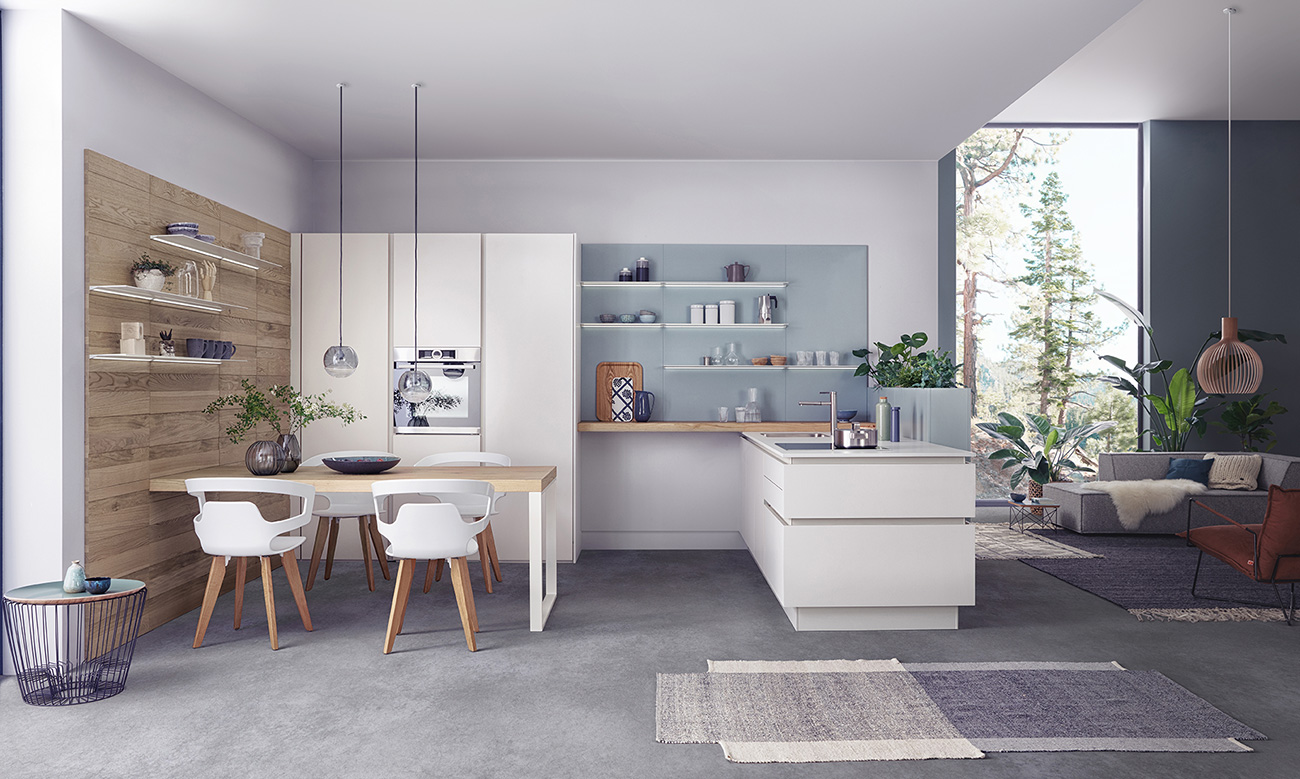
In 2026, a luxury kitchens project is judged on far more than how it photographs on completion day. A genuine high end kitchen is a hardworking, everyday space, the place where school mornings, dinner parties and quiet Sunday cooking all happen, that still looks showroom-ready years after the fitters have left. That durability under real life is what separates a luxury kitchen from a simply expensive one.
Quality in kitchen design rests on three pillars: design thinking (the layout and workflow that make a space genuinely usable), specification (the materials, appliances and hardware chosen), and execution (the craftsmanship and installation that bring it all together). Get all three right and a kitchen still feels current a decade on; get one wrong, and even an expensive-looking scheme can feel tired within five years.
Picture two kitchens finished to a similar budget. One leans entirely on visual impact, glossy finishes and trend-led colours, and starts showing its age within five years: doors that no longer close quietly, a worktop that’s lost its shine, lighting that never quite suited the room. The other is built from quality components throughout and still looks current in 2036, not because nothing has changed, but because the structural choices were right from day one. Custom cabinetry, layered lighting, high end materials, professional-grade appliances and a thoughtful approach to future-ready technology are the themes that run through everything that follows.
Quality and the Kitchen Layout: The Foundation of a High-End Space
Before a single finish is chosen, a genuine luxury kitchen starts with a smart, ergonomic layout. This is the part of the project that’s easiest to underestimate and the most expensive to fix later.
Careful planning of prep, cook and clean-up zones removes unnecessary steps from everyday cooking and keeps a busy kitchen comfortable when several people are working, or entertaining, in it at once. This matters even more in open-plan and larger kitchens, where it’s easy to end up with a beautiful room that simply doesn’t work, a walk from fridge to island to range that’s too long, or a layout that looks generous on a floor plan but feels cramped in daily use.
Common premium layouts in 2026 include open-plan schemes built around a central island, double-island arrangements for larger households, and full-height end walls used for tall storage and integrated appliances. Quality planning at this stage prevents the costly mistakes that are hard to undo afterwards: aisles too narrow to pass comfortably, an undersized island, or appliance and cabinet doors that clash when opened together.
In one recent renovation, reworking the layout, moving the sink run and widening the island by just 200mm, made a bigger difference to how the kitchen felt day to day than any of the finish choices that followed. The lesson holds across most high end projects: a good layout built on an average specification will usually outperform a beautiful specification squeezed into a poor layout.
What’s behind a luxury kitchen cabinet is just as important as what’s visible from the outside. Quality layout planning also has to account for how a kitchen will actually be used over time, not just on the day it’s photographed. A household that entertains often needs a different traffic flow to one focused purely on quick weekday cooking, and a kitchen designed without that distinction in mind tends to feel awkward in exactly the moments it’s supposed to shine. This is one reason a proper design consultation, rather than simply choosing finishes from a brochure, pays for itself many times over.
Custom Cabinetry: Why Construction Quality Outlasts Fashion
Custom cabinetry is usually the single largest investment in a luxury kitchens project, and it’s also the clearest visual signal of quality to anyone who opens a door or pulls out a drawer. The details that matter most are rarely the ones a homeowner thinks about first: solid or high-grade engineered carcasses, robust hinges and runners, soft-close hardware throughout, and precise, consistent alignment between every door and drawer front.
Mass-produced cabinet boxes are built to standard sizes and tolerances; bespoke or semi-bespoke cabinetry is built around the room itself, accommodating ceiling height, awkward corners and fully integrated appliances. Over a 10–15 year span, that difference shows: quality joinery resists the sagging shelves, warped doors and misaligned drawer fronts that gradually creep into lower-spec cabinetry.
Door style is a major design decision too, in-frame, slab or fully handleless, but whichever is chosen, quality finishing (lacquer, veneer, or specialist paint) is what determines how well it resists steam, heat and UV fading over time. Equally important, though less visible in photographs, is clever internal storage: pull-out pantries, corner solutions, bespoke spice drawers and concealed recycling systems that keep counters genuinely clutter-free rather than just clutter-free for the photoshoot.
Top-quality cabinetry also ages more gracefully in a practical sense: it can usually be resprayed or rehandled in future at a fraction of the cost of full replacement, extending the life of the kitchen considerably. We go into far more depth on exactly what separates a well-built cabinet from a budget one in our dedicated guide, What’s Behind a Luxury Kitchen Cabinet.
Materials That Last: Worktops, Splashbacks, and Finishes
In a high end kitchen, material quality is measured by durability and tactile feel, and by how elegantly a surface ages, not simply by how it looks on day one. The most common premium worktop materials in 2026 luxury kitchen design are quartzite, high-grade quartz, porcelain slabs and carefully selected marbles and granites.
Quality matters here because it determines resistance to staining, etching and heat, and because better materials can be fabricated in larger spans for an island worktop with minimal visible seams. Splashbacks follow the same logic: full-height stone, porcelain, or bespoke tile work, chosen consistently with the worktop, creates the cohesive look that defines a genuinely high-end kitchen aesthetic, rather than a collection of disconnected finishes.
The same principle extends to cabinet finishes and flooring, engineered wood or large-format porcelain among them, where investing in higher-wear layers protects the overall design for years rather than months. The contrast is easy to see in practice: a cheap laminate worktop often swells or delaminates near the sink within a couple of years, while a high-spec surface in the same spot still looks crisp after a decade of daily use.
This is where craftsmanship vs mass production makes the real difference. Carefully selected materials, precision fabrication and expert installation ensure every element performs as beautifully as it looks, delivering a finish that lasts far longer than mass-produced alternatives.
It’s also worth thinking about maintenance expectations honestly at the specification stage rather than after installation. Some premium materials reward regular, light upkeep—an occasional reseal here, a specific cleaning product there—in exchange for a richer, more natural appearance, while others are chosen precisely because they ask almost nothing of the homeowner day to day. Neither approach is automatically the “right” one; the better question is which trade-off actually fits how the kitchen will be used and cared for over the next decade.
Lighting, Details, and the “Feel” of a Luxury Kitchen
Lighting and small details are where a high end kitchen stops feeling like a showroom set and starts feeling like a tailored living space. Layered lighting works across three categories: ambient light from ceiling and recessed fittings, task light from under-cabinet and over-island fittings, and accent light inside glass cabinets, in toe-kicks, or washing a feature wall.
Quality lighting design uses dimmers, colour temperature control and well-placed circuits so the same room can shift from bright, practical prep lighting to soft, low evening light for entertaining, without a single fitting being moved. Hardware plays a similar role: solid metal handles, premium mixer taps and a well-chosen statement light fixture all continue to look considered well beyond 2026, long after cheaper equivalents have started to look dated.
The finishing touches that are easy to overlook on a spec sheet, aligned sightlines, consistent shadow gaps, neatly framed openings, carefully resolved junctions around windows and doors, are often what separates a kitchen that feels genuinely high end from one that merely looks expensive in photographs. Picture a softly lit island at dusk, veined stone catching the light from a discreet LED strip tucked beneath the worktop overhang: that’s the kind of detail layered lighting is designed to create.
Appliances, Performance, and Everyday Experience
Quality appliances are ultimately about consistency, control and quiet operation, not logos or gadget count. In 2026, “premium” in a high end kitchens context typically means induction cooktops with precise temperature control, steam or combi ovens, genuinely quiet dishwashers, and efficient, well-vented range hoods.
Integrated or panel-ready appliances matter for a seamless overall design, particularly around tall fridge-freezer units and dishwashers built into an island run. Day to day, quality shows up in faster preheat times, more even baking, better food preservation and quieter operation, which matters considerably more in open-plan homes where the kitchen is rarely separated from the living space. Many genuinely high end kitchens also include a second sink, a dedicated beverage station, or wine storage, each chosen for how it performs rather than purely how it looks.
Because appliances drive so many downstream decisions, cabinet sizing, ventilation routes, electrical loads, they’re worth selecting early in the design process rather than retrofitting around them later.
It’s also worth resisting the temptation to over-specify purely for the sake of it. A genuinely high end kitchen is built around how a household actually cooks, not around every available feature, and the most satisfying appliance choices tend to be the ones that quietly solve a real, everyday frustration rather than the ones that look most impressive on a spec sheet.
Quality in Craftsmanship, Installation, and Long-Term Value
Even the best design and the best specification fail without precise installation and close coordination between trades. Craftsmanship quality shows up in details that are obvious once pointed out: perfectly level worktops, tight mitred corners on end panels, aligned grout lines, and doors that open without clashing against neighbouring units or appliances.
Investing in experienced fitters, electricians and plumbers reduces the risk of leaks, failed appliances and costly remedial work months or years down the line. This is the same distinction we explore in detail in our companion guide, Craftsmanship vs Mass Production: What’s the Difference?, comparing skilled, hands-on trades work with the shortcuts that come with rushed, lowest-cost installation. As an official Leicht dealership, we see first-hand how precision German manufacturing only delivers its full value when paired with equally precise, experienced fitting on site.
Build quality is also directly linked to property value: buyers in 2026 increasingly look for well-documented, high quality kitchens when weighing resale or rental potential, often treating the kitchen as a key factor in their decision. Premium products and professional installation also tend to come with longer guarantees and easier access to replacement parts, which matters considerably over a kitchen’s working life. There’s a sustainability angle too: a well-built high end kitchen designed to last 15–20 years carries a genuinely lower environmental cost than several cheaper refits over the same period.
The Design Process: Turning Quality Choices into a Dream Kitchen
A great design process is what ties decisions on layout, materials, appliances and lighting together into one coherent scheme, rather than a series of separate choices made in isolation. A typical journey runs from an initial consultation and site survey through layout concepts, material and appliance selection, technical drawings, and final sign-off.
Early conversations about lifestyle, serious cooking, family life, entertaining, working from home, guide quality decisions from the outset and help avoid overspending on features that won’t actually get used. Three-dimensional visualisations and physical sample boards are genuinely useful at this stage too, helping clients understand the real impact of a quality upgrade, a better worktop edge, a different door finish, before committing to it.
Working with a specialist in premium kitchens also means the small details that are easy to miss, plug socket placement, internal storage configuration, layered lighting circuits, are built in from the very start of the design rather than bolted on afterwards. If you’re at the early stages of planning your own kitchen, booking a design appointment or showroom visit is generally the most useful next step for mapping out what quality should look like in your own home.
Conclusion: Why Quality is the Most Future-Proof Luxury
Quality in high end kitchen design is ultimately about longevity, comfort and daily pleasure, not just first impressions or the size of the price tag. The best luxury kitchens combine considered design, robust materials, precise installation and thoughtfully chosen technology to create a space that still feels special many years after the project is finished.
If budget is limited, prioritise the structural elements first, layout, cabinetry, worktops, since these are the hardest and most expensive to change later. Bar stools, wall colour and decorative lighting can refresh the look of a luxury kitchens scheme at almost any point, but the bones of the kitchen are set early and live with you for the long term.
Investing in quality now creates a kitchen that genuinely supports family life and entertaining today, while protecting resale value well into the 2030s. That combination, daily pleasure and long-term value, is what makes quality the most future-proof form of luxury a kitchen can offer.
FAQ: Quality in High-End Kitchen Design
How much more does a “quality” high-end kitchen really cost?
Costs vary widely by region and size, but a genuinely high end kitchen in 2026 typically starts at a defined mid-to-high range per linear or square metre compared with entry-level options. As a rough guide, 10–20% additional upfront investment in cabinets, worktops and installation can often double the useful lifespan of the kitchen. It’s worth setting aside a realistic proportion of the renovation budget for joinery and fitting, not only the visible finishes.
Can I upgrade quality in stages, or does everything need to be done at once?
Structural elements, layout, electrics, plumbing and cabinetry, are difficult and costly to change later, so these should be prioritised and got right first. Hardware, tapware, bar stools, wall paint and even some appliances can reasonably be upgraded over time as budget allows. Getting the “bones” of the kitchen right up front, then layering on further luxury details in phases, is a sensible and common approach.
Are natural stone worktops always better than engineered options?
Not necessarily; it depends on lifestyle. Marbles and some granites offer unique, natural veining but generally need more care, while quartz and porcelain tend to be more stain and scratch resistant. Quality, in this context, is really about suitability: a busy family may prefer a low-maintenance engineered surface, while a keen home cook might welcome the patina that develops on natural stone. It’s worth discussing real cleaning habits and cooking frequency with a designer before committing to either.
What’s the lifespan of a well-designed, high-quality kitchen?
With quality cabinetry, worktops and appliances, a high end kitchen can reasonably be expected to function and look good for 15–20 years or more, depending on use. During that time, minor updates, repainting, new handles, upgraded lighting, can keep it feeling current without a full replacement. Correct installation and basic ongoing maintenance, hinge adjustment and seal checks among them, are essential to actually reach that lifespan.
Is smart technology essential in a luxury kitchen, or just a bonus?
Smart technology isn’t mandatory in a high end kitchen, but well-chosen technology can meaningfully improve convenience and efficiency. Useful examples include smart ovens with pre-set cooking programs, app-controlled lighting scenes, and integrated extraction that responds automatically to heat and steam. The sensible approach is to prioritise core quality, layout, cabinetry, worktops, first, then add technology that genuinely supports how you actually cook and live.